SEE: Society, Economy, Environment
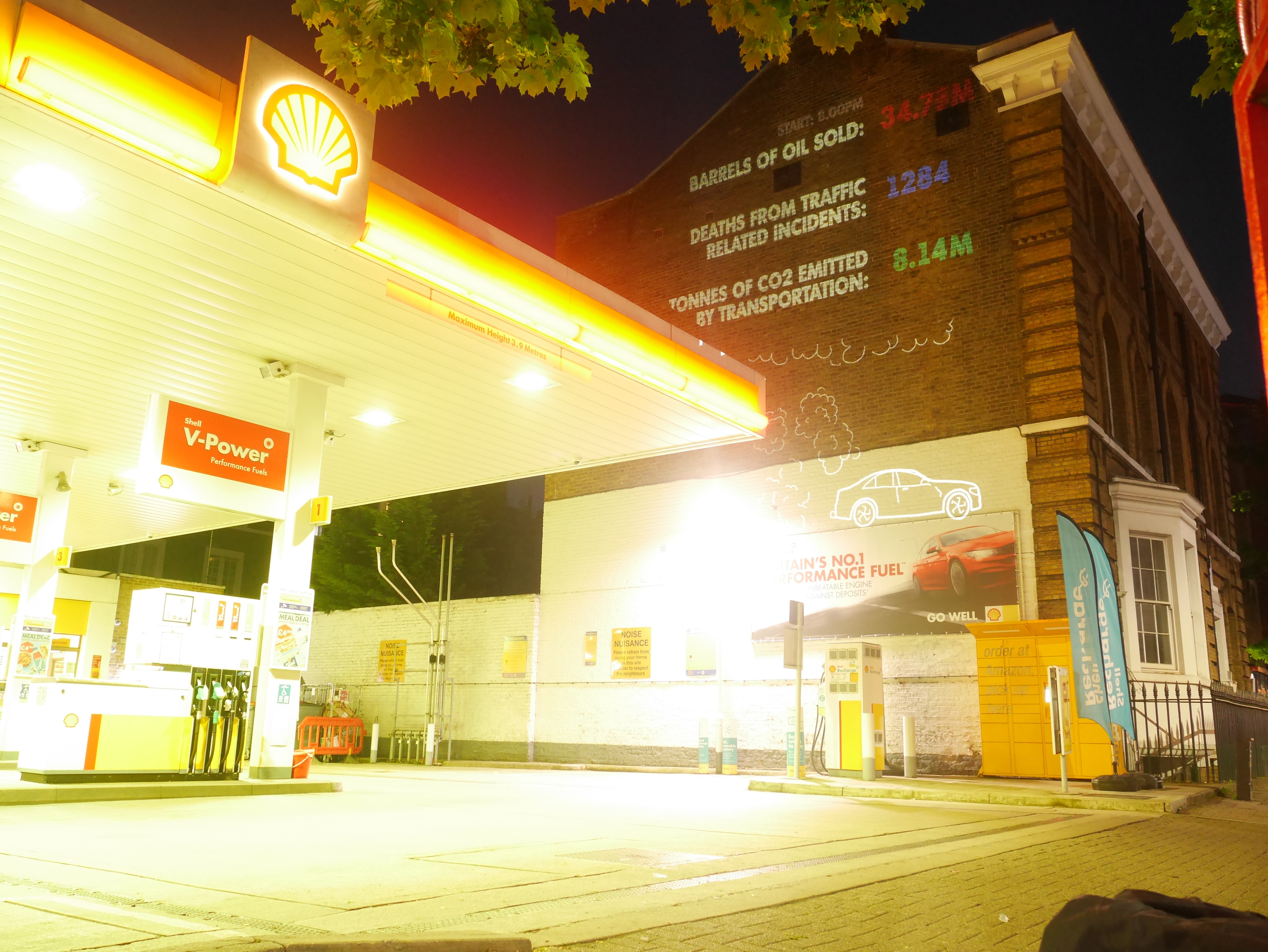
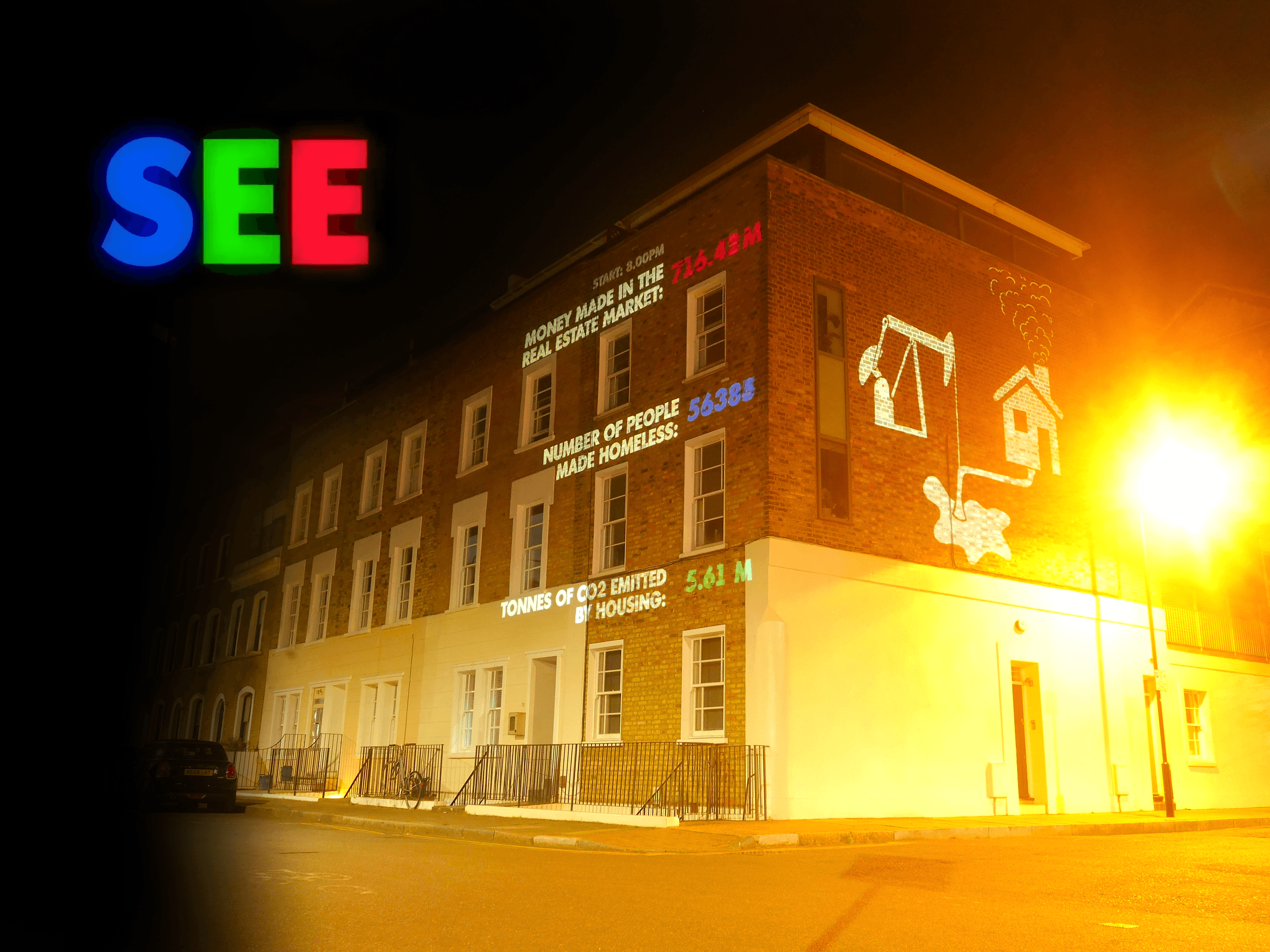
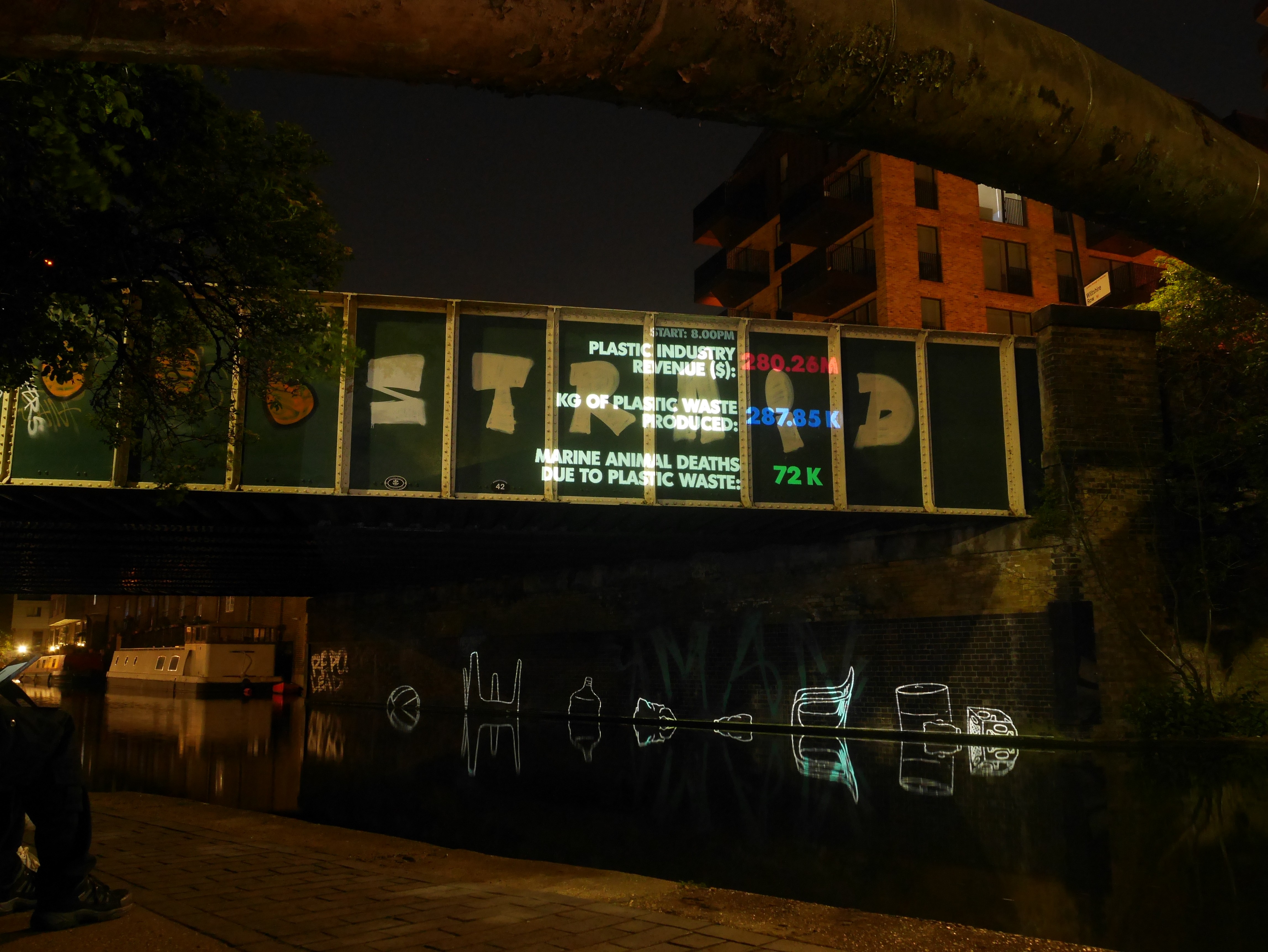
SEE is a three-part multimedia installation using guerrilla projections, data visualisation, and documentary filmmaking to expose the unsustainable and often unethical design of cities. Through real-time global data and animated overlays, I revealed the invisible systems behind housing, transport, and waste management in London. The project culminated in a six-minute video that takes viewers on a three-day journey through the city, showing how environmental harm is embedded in the structures we live among.
Click here to watch the video
Format:
Projection mapping · Public installation · Video storytelling
Themes:
Sustainable urbanism · Critical design · Environmental ethics
Role:
Concept lead, filmmaker, animator, activist
Skills:
Projection mapping · Motion graphics · Fieldwork · Visual storytelling · Data design
Collaborators:
Supported by Goldsmiths, University of London
Problem:
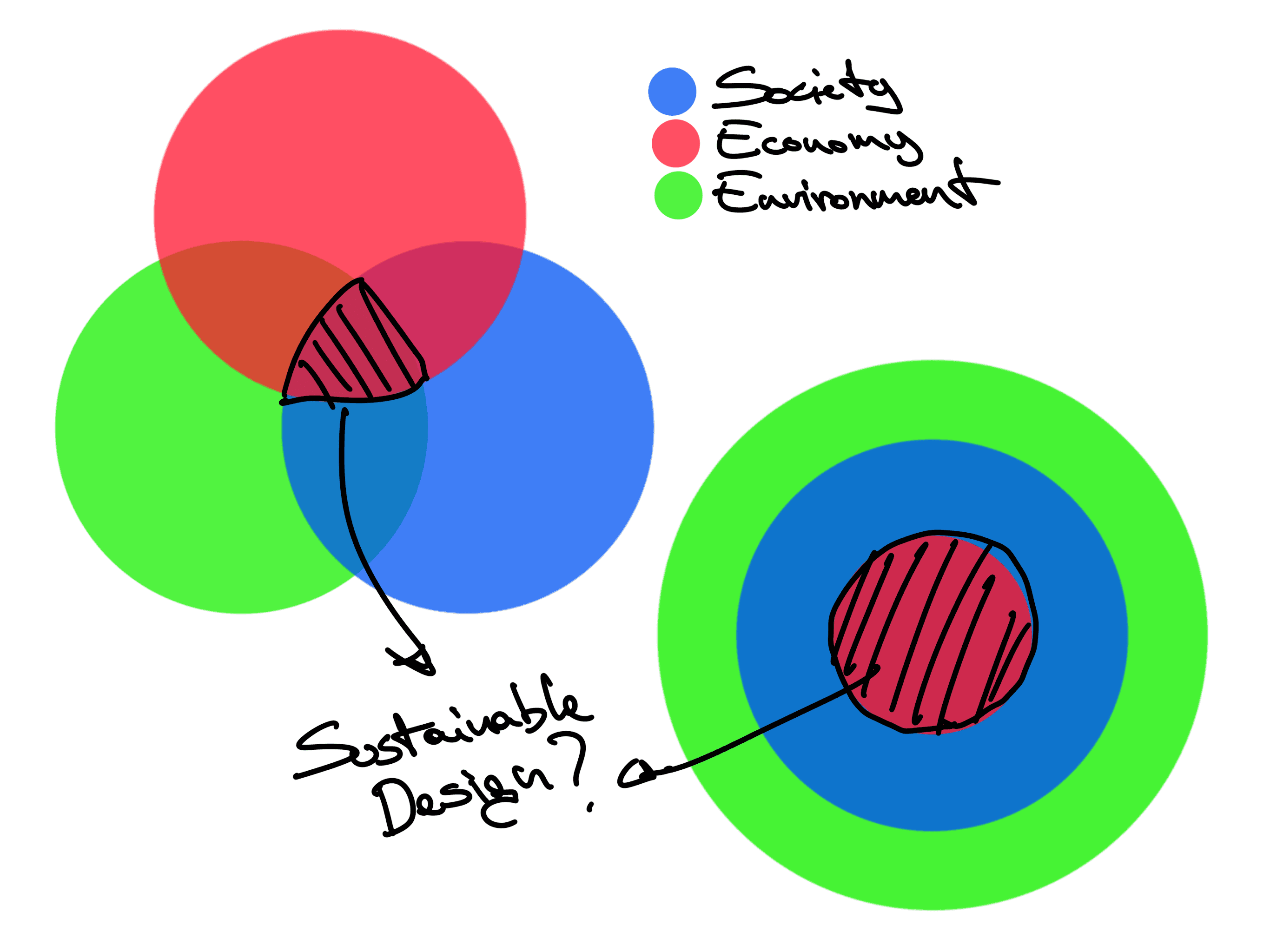
Most sustainable development models treat economy, society, and environment as equal components. This balance is misleading. In practice, profit is often prioritised at the expense of people and the planet. This hierarchy is baked into urban infrastructure, largely invisible to the public eye.
SEE aimed to challenge this mindset by making those invisible structures visible again.
Research
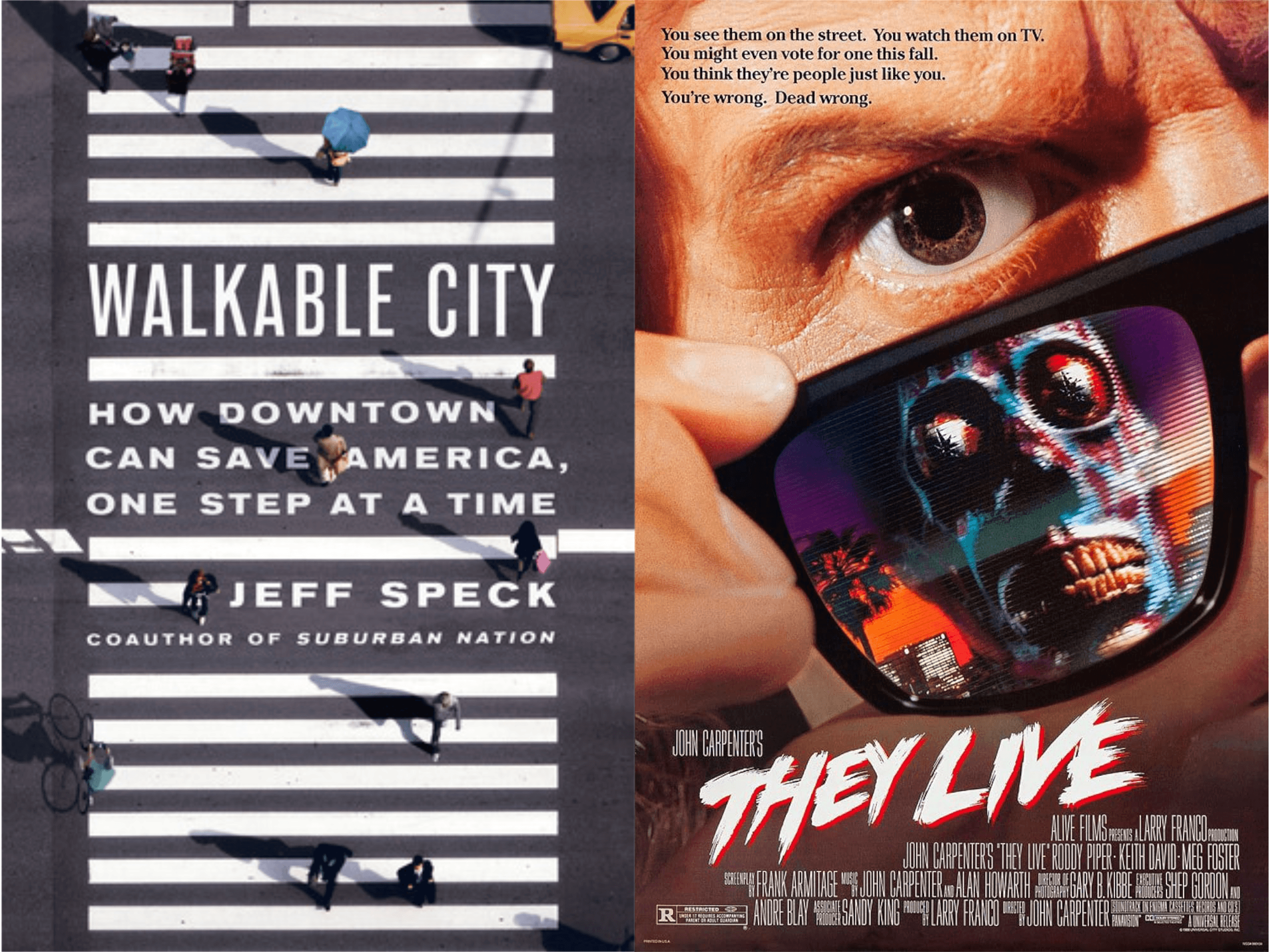
I was drawn to start this project to try and understand what cities conceal. It began with a theoretical investigation into the historical and economic forces that shaped our urban environments, drawing from theories of eco-socialism, bioregionalism, and concepts explored in The Walkable City (Jeff Speck).
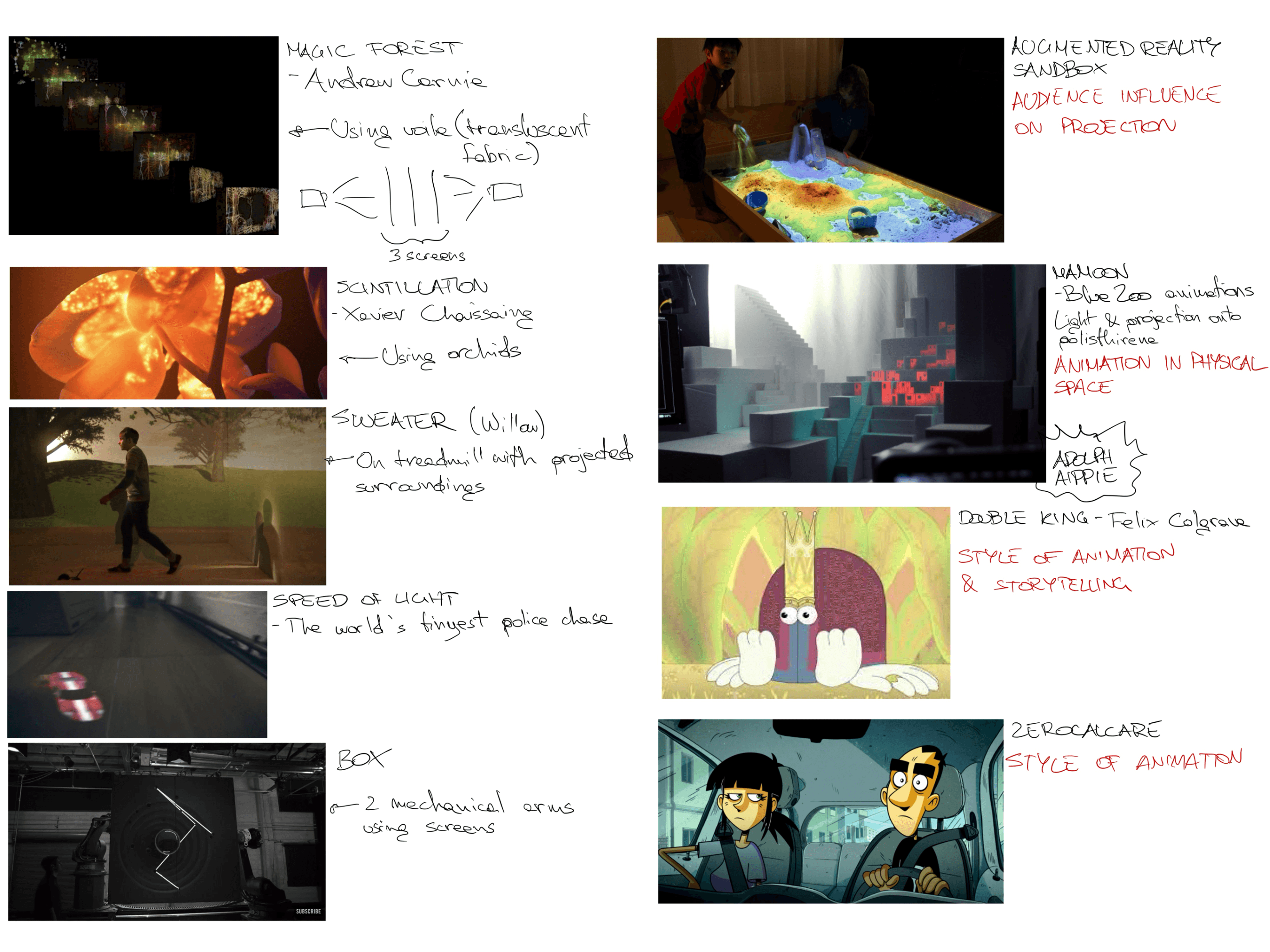
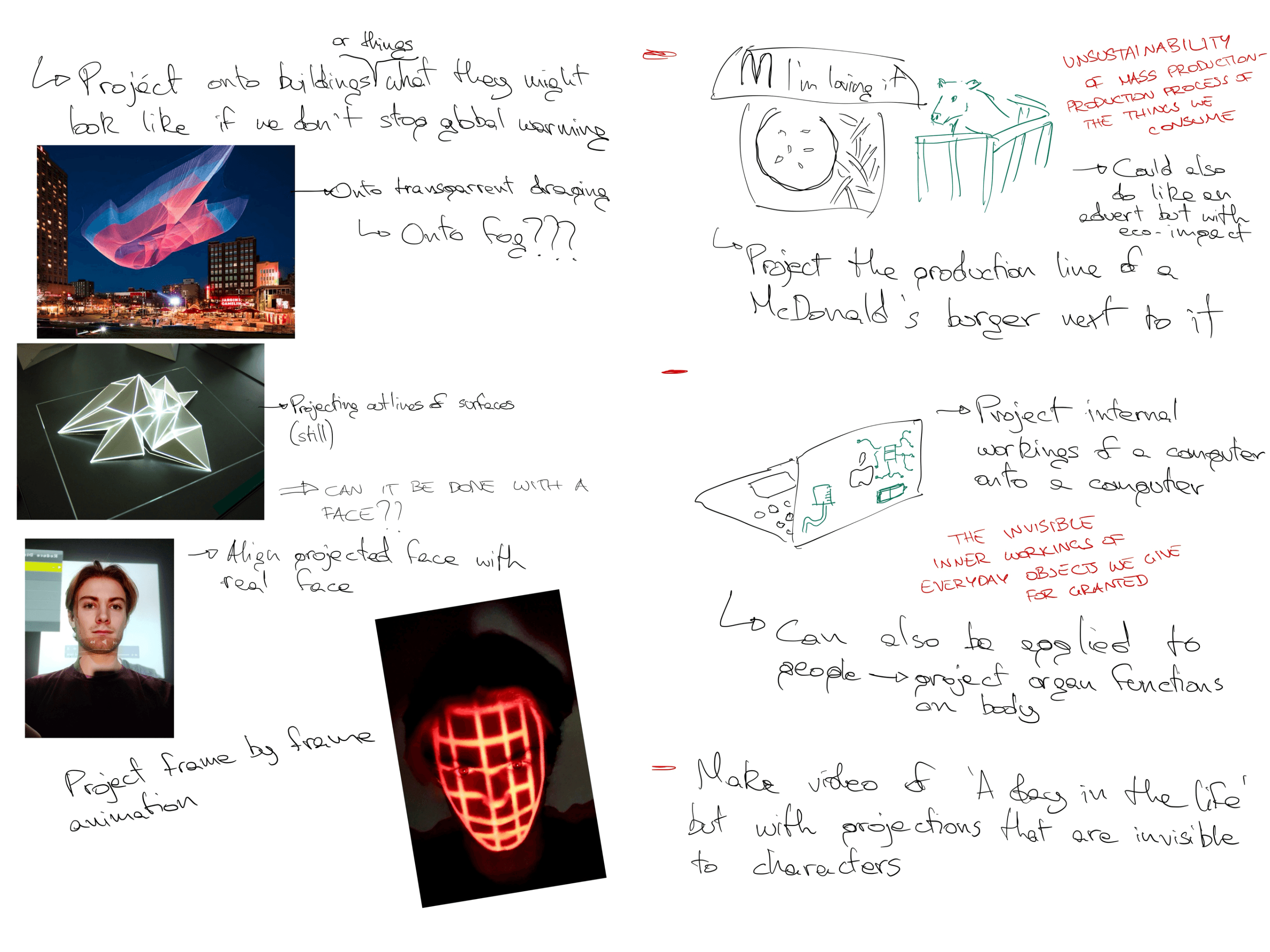
Simultaneously, my fascination with digital design pushed me to consider the potential of projection mapping as a tool for activism. Inspired by practices exemplified by animation studios like Blue Zoo, I investigated how data visualizations and environmental metrics could be harnessed to turn ordinary objects into canvases of hidden truths. I experimented with projecting my animations in many small-scale forms including on food, miniature building models, and even my own body. A big source of inspiration for this was the film They Live (John Carpenter).
Finally, I traced how post-industrial city design prioritise efficiency, consumption, and growth, alienating people from nature and embedding unsustainability into everyday life.
Key insights:
• Built environments reflect and reinforce values
• Our designs influence how we live and how we design the future
• Most sustainability frameworks fail to acknowledge structural imbalance
Solution
Through my projection mapping and animation I aimed to use the projector as a spyglass to a deeper invisible truth that lies behind most places and objects that sustain our modern way of life. I wanted to make the most of being in London and select a few locations that are the most ‘invisibly’ unsustainable, and project onto them at night. Using light also meant I had few limitations of scale. The project scope therefore became to impact anyone’s perceived experience of these locations by revealing their true nature.
I created three guerrilla installations across London, each focusing on one pillar of urban dysfunction: housing, transport, and waste. Using real-time environmental data and custom animations, I projected this information directly onto buildings tied to these issues.
The installations ran overnight, from 8:30PM to 5:30AM, with data tracked and visualised throughout the projection period. This data was accompanied by a colour-coded ‘traffic light’ system exposing whether the structure primarily served the economy, society, or environment.
To showcase my activism, I also explored methods of storytelling to record my installations and interviews in a visually and emotionally engaging way. Because each installation included cumulative data over a 9 hour period, I recorded them using time-lapses. The hyper-lapses in between help create a narrative of a journey through London over 3 days and nights.
Core elements:
• Location-specific projections
• Real-time global data visualisation
• Frame-by-frame animation mapped to architecture
• Public engagement through interviews
• Final video combining time-lapse, field recordings, and storytelling
Public installation, reflections,
and impact
I designed SEE around the idea that design itself, whether of cities, products, or systems, is shaped by (and shapes) ideology. By visually exposing what lies beneath the surface of urban structures, SEE aims to spark new conversations and reframe priorities. The act of projection became a metaphorical and a literal tool: a way to see again what the urban eye has grown blind to.
What began as an abstract theory exercise evolved into a public intervention. People who encountered the projections stopped, asked questions, and engaged. The video documenting their reactions and the journey through London represent an artefact of protest and education. SEE is not a solution, it’s a shift in perspective. The hope is that visibility leads to awareness, and awareness leads to change.
Executing this project involved technical and ethical challenges, from carrying and powering equipment across the city, to reconciling the irony of using a generator to raise awareness of unsustainability. These tensions became part of the story. For the final installation, I visualised the carbon emissions generated by the projector itself, turning the critique inward.